
Europe has a reputation for being expensive, but it’s entirely possible to travel through it on a tight daily budget if you know where to cut costs and where not to. This guide breaks down exactly how to keep your average spend around $50 a day, including accommodation, food, and transport, along with a sample route that puts the numbers into practice.
Where your $50 goes
| Category | Daily Budget | What that gets you |
|---|---|---|
| Accommodation | $15-20 | Hostel dorm bed or budget guesthouse room |
| Food | $10-15 | Grocery breakfast/lunch, one affordable restaurant meal |
| Transport | $10-15 | Buses and regional trains booked in advance |
| Activities | $5-10 | Free walking tours, museum discount days, sightseeing |
Cheapest countries to start with
Eastern Europe stretches your budget the furthest. Countries like Poland, Hungary, Romania, Bulgaria, and Albania offer excellent value — good food, cheap beds, and low transport costs — while still delivering the classic European travel experience: old towns, castles, and a strong cafe culture. Western Europe (France, Germany, the Netherlands) is achievable on this budget too, but requires more discipline around accommodation and eating out.
Where to save the most
Accommodation is usually your biggest expense, so this is where cutting costs matters most. Book hostels with a kitchen so you can cook your own meals rather than eating out every day — this alone can cut your daily food spend in half. Consider overnight buses or trains occasionally, particularly between cities that are 6+ hours apart; you save a night’s accommodation cost while covering distance, though it’s worth balancing this against the fatigue of doing it too many nights in a row.
Where not to cut corners
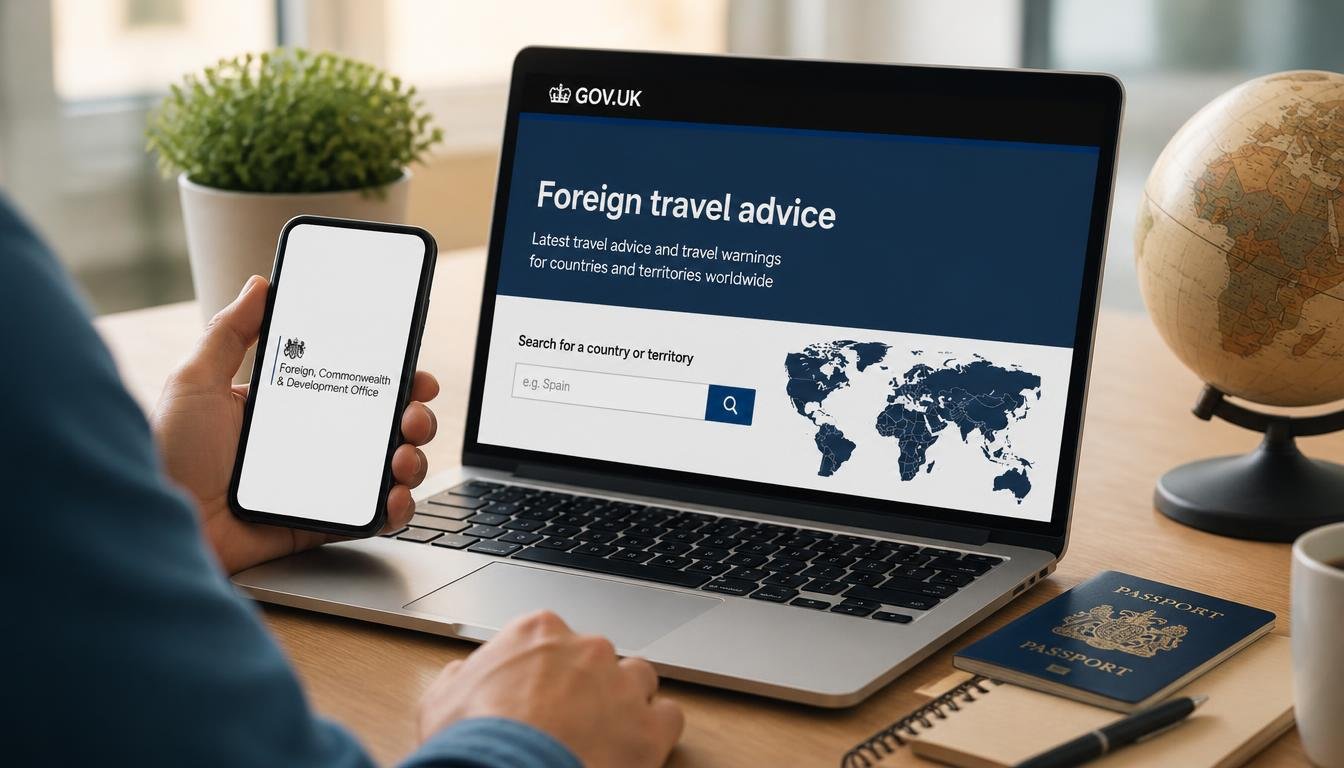
Travel insurance is not the place to save money. A single hospital visit abroad without coverage can cost far more than an entire month of budget travel, and most European healthcare systems will bill non-residents the full rate. Also avoid skipping SIM cards or mobile data — getting lost or unable to book last-minute transport often costs more in the end, either through missed connections or expensive last-minute bookings made under pressure. Before you set off, it’s worth checking gov.uk’s travel advice for each country on your route, since this also affects whether your insurance remains valid.
Sample 2-week route
Budapest → Bratislava → Krakow → Prague is a classic budget loop, connected by cheap buses and trains, each city offering excellent hostels, affordable food, and enough sights to fill 2-3 days comfortably. Budapest’s thermal baths, Bratislava’s compact old town, Krakow’s Wawel Castle, and Prague’s Charles Bridge and Old Town Square give you a genuinely varied two weeks without straining the daily budget.
What to leave out of your pack
Travelling with only hand luggage avoids checked bag fees entirely on the budget airlines that dominate intra-European routes, and forces a discipline that pays off throughout the trip — fewer things to carry between hostels, less to lose, and no waiting at baggage claim eating into your first day. Almost anything forgotten can be bought cheaply at the destination if it’s genuinely needed.
Staying connected without roaming charges
A local prepaid SIM or an eSIM bought before you travel typically costs a fraction of UK roaming rates for a multi-week trip, and most EU countries now offer straightforward prepaid data plans available at airports, train stations, or convenience stores. Downloading offline maps for each city before you arrive also reduces how much data you need day to day.
Money-saving habits that add up
- Free walking tours — most major European cities run tip-based walking tours; a good guide covers more ground than a guidebook and costs whatever you choose to give
- City tourist cards — often bundle public transport with discounted or free museum entry; worth pricing out against paying separately if you’re visiting 3+ attractions
- Supermarket lunches — a sandwich and fruit from a local supermarket is a fraction of a sit-down restaurant lunch, and leaves more budget for one nicer dinner
- Student and youth discounts — an ISIC card or simply being under 26 unlocks reduced entry at many European museums and attractions
Getting between cities cheaply
FlixBus and regional rail operators cover most of the routes budget travellers need across Eastern and Central Europe, often for a fraction of the cost of flying, once you factor in airport transfers and check-in time. Booking these 1-2 weeks ahead rather than the day before typically saves a meaningful chunk, since prices rise as seats fill. For longer distances, comparing a night bus against a daytime train is worth doing — the night bus saves a night’s accommodation, but the train is usually more comfortable if the price difference is small.
A realistic weekly budget breakdown
Over a 7-day trip at $50 a day, you’re looking at roughly $350 total, excluding international flights to reach Europe. That typically covers 6 nights of hostel accommodation, three meals a day split between self-catering and eating out, local transport within each city, and one or two paid attractions. Building in a small buffer — an extra $50-70 for the week — covers unexpected costs like a rainy-day museum visit or a nicer dinner on your last night.
Frequently Asked Questions
Is $50 a day realistic for all of Europe?
It’s most realistic in Eastern Europe and the Balkans. Western and Northern Europe are achievable on this budget with more discipline around accommodation and eating, but leave less margin for extras.
What’s the biggest cost to watch on a budget trip?
Accommodation is typically the largest single cost, followed by transport between cities. Both can be reduced significantly by booking in advance and choosing hostels with kitchen access.
Should I skip travel insurance to save money?
No — travel insurance is one area where cutting costs can be far more expensive in the long run, since a single medical emergency abroad can cost thousands of pounds without cover.
With a bit of planning, $50 a day is realistic across most of Europe — and in Eastern Europe, you can often do it for less while still having a great trip.

11 thoughts on “How to Travel Europe on $50 a Day: An Easy, Proven Budget Guide”