Turkey, Egypt, Sri Lanka and Greece are among the destinations UK travelers search for official safety guidance on most often, and it’s easy to see why: all four are popular, all four have regional differences, and the advice can change. Rather than repeat a snapshot that would be out of date within weeks, this guide explains what FCDO travel advice usually covers for each country, and where to check the live status yourself before you book.
1. Turkey: resorts and border regions are treated differently
FCDO travel advice for Turkey usually draws a line between the popular coastal resort areas, such as Antalya, Bodrum and the Aegean coast, and the border regions with Syria and Iraq in the south east, which have carried separate, stricter advice in the past. If you’re booking a standard resort holiday, those regions are rarely relevant, but it’s worth confirming that your specific area isn’t affected before you pay. The official Turkey travel advice page sets out the current position, and our guide to the best holiday destinations in October covers when Turkey works well for a late season trip.
2. Egypt: Red Sea resorts versus the wider country
Egypt’s advice usually separates the Red Sea resort areas, such as Hurghada and Sharm El Sheikh, which are heavily visited by UK tourists, from parts of the Sinai Peninsula outside the main resorts and areas near the western border, which have typically carried stricter advice. Package holidays to the Red Sea resorts are rarely affected by those regional distinctions, but the detail matters if you’re planning to travel beyond the resort itself, for example on an excursion. Check the Egypt travel advice page for the current picture.
3. Sri Lanka: the picture has changed over time
Sri Lanka’s advice has shifted over recent years depending on political and economic conditions, which makes checking the current position more important here than for more consistently stable destinations. The situation can change between the day you book and the day you travel, so it’s worth reading the Sri Lanka travel advice page both times, and paying attention to the sections on fuel, transport and local conditions as well as the headline advice level.
4. Greece: seasonal risks rather than blanket warnings
Greece rarely carries a blanket advisory, but seasonal risks, particularly summer heatwaves and wildfires, sometimes prompt specific guidance for certain islands or regions during the peak months. That makes it a “check closer to your travel date” situation rather than an ongoing warning. The Greece travel advice page is where that guidance appears when it applies.
How to check the current FCDO travel advice yourself
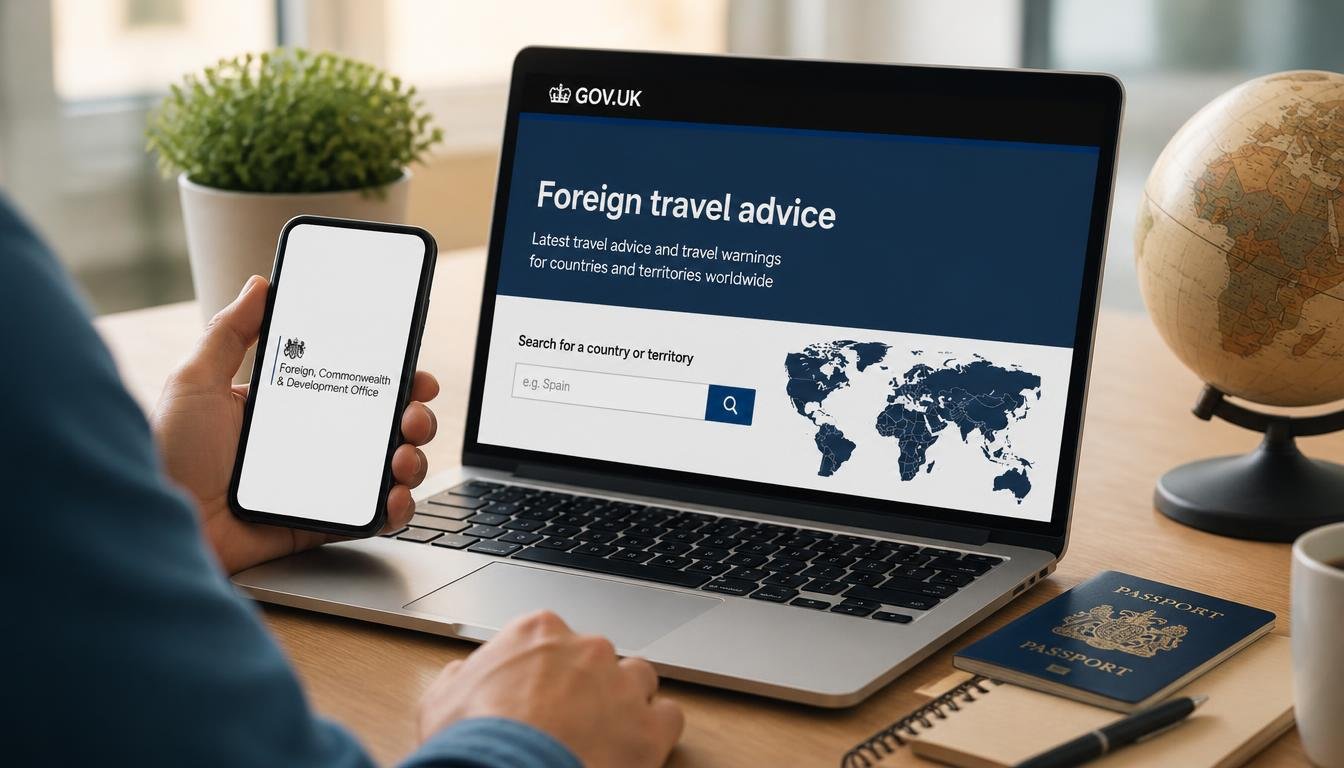
Go to gov.uk/foreign-travel-advice, select your destination and read the summary at the top, which is updated whenever the advice changes. Then read the safety and security section for region specific detail rather than relying on the headline alone, and sign up for the email alerts so you hear about any change straight away. Check again in the days before you fly, not only when you book. Our full guide on how to check FCDO travel advice before you travel covers the advisory levels and what they mean for your insurance.
Why FCDO travel advice matters more for package holidays
If you’ve booked an ATOL protected package and the FCDO later advises against travel to your specific resort area, tour operators will often offer an alternative destination or a refund rather than sending you regardless. That’s a real practical benefit of booking through a protected package instead of arranging flights and accommodation separately for these destinations. Our guide on why you should think twice before booking a summer holiday explains what else to check before you pay a deposit.
Why these four countries come up so often
Turkey, Egypt, Sri Lanka and Greece rank among the most popular UK holiday destinations outside Western Europe, which is exactly why they generate so many searches for official advice. More travellers booking means more people wanting reassurance before they commit, and it isn’t a sign that these places are inherently riskier than quieter ones. It simply reflects how many people are going.
Cyprus and other nearby destinations
Cyprus, another popular UK destination in the same part of the world, typically carries no blanket advisory either. Its proximity to wider Eastern Mediterranean tensions means it’s worth a quick check alongside Turkey and Greece if your trip involves any regional travel beyond the main resort areas.
What FCDO travel advice doesn’t cover
Official advice deals with safety, entry rules and legal requirements, not the day to day detail of a place, such as which neighborhoods feel different at night or the common scams in a particular resort. Pairing the FCDO advice with recent traveler reviews for your exact area gives a fuller picture than either source alone, and checking your passport and entry requirements early, using our guide to passport rules before you book travel, avoids a different set of last minute problems.
Putting FCDO travel advice to use before you book
Treat FCDO travel advice as a checklist item, not a one off read: look at it when you’re choosing between destinations, again when you book, and once more shortly before you travel. For all four countries here, the useful detail is usually regional, so find your exact resort or area on the map rather than relying on the country wide headline. If the advice does change, contact your tour operator or insurer straight away to find out what you’re entitled to.


One thought on “FCDO Travel Advice for Turkey, Egypt, Sri Lanka and Greece: 4 Essential Checks”