
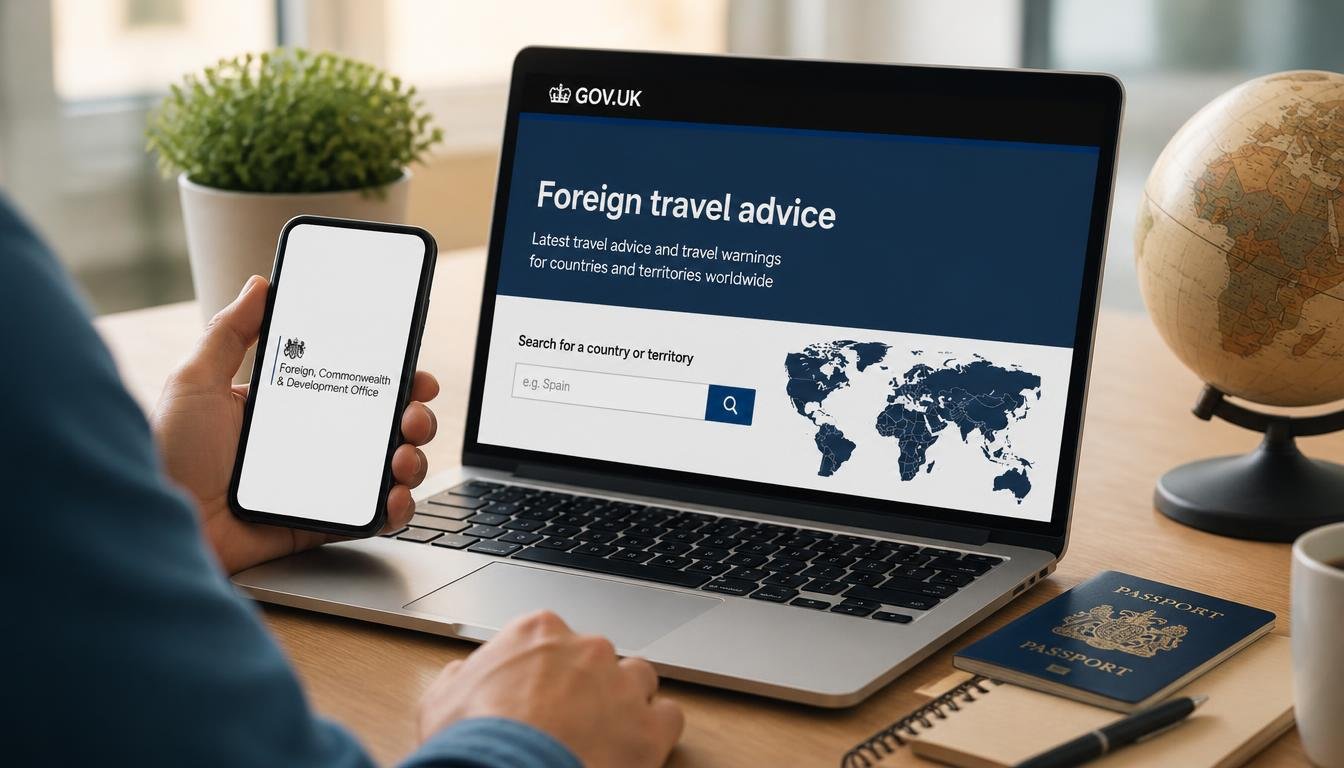
How to check FCDO travel advice is simpler than most people expect: the official source for UK travel safety advice is gov.uk/foreign-travel-advice, run by the Foreign, Commonwealth & Development Office (FCDO). It’s organized by country and updated as situations change, covering safety, entry requirements, local laws, and health risks — check it before booking and again before you fly.
Searches for “fco advice,” “fcdo advice,” and country specific versions like “fco Sri Lanka” or “uk travel advice egypt” are common because most people don’t know this service exists until they need it. Here’s how to actually use it.
How to check FCDO travel advice and what it covers
- Safety and security: regions to avoid, current risks, and advisory levels
- Entry requirements: visas, passport validity, vaccination rules
- Local laws and customs: things that are legal at home but not at your destination
- Health: recommended vaccinations and health risks specific to the country
- Natural disasters: earthquake, hurricane, or flood-prone periods and regions
Understanding the advisory levels
FCDO advice is usually split into: no specific warning, advise against all but essential travel to certain areas, advise against all but essential travel to the whole country, and advise against all travel. The distinction matters directly for your travel insurance — most policies become invalid the moment the FCDO advises against travel to where you’re going, so checking this before you fly (not just before you book) is worth the two minutes it takes.
Register your presence abroad
For trips to higher-risk areas or long stays abroad, the UK government allows you to register your presence so they can contact you in an emergency, such as a natural disaster or civil unrest at your destination. It’s optional but takes a few minutes and costs nothing.
Check again close to departure
Advice can change with little notice — a heatwave warning, a political situation, or a local health outbreak can shift a country’s status within days. Checking once when you book isn’t enough; check again in the week before you fly.
What “essential travel only” actually means in practice
This advisory level doesn’t mean travel is banned — it means the government is signaling elevated risk and recommending against non-essential trips. Airlines may still fly the route, and travelers who go anyway generally do so without insurance backing for anything related to that risk, which is the practical consequence that matters most.
Signing up for updates
Most country pages on gov.uk offer an email alert option, notifying you whenever that country’s advice changes. Signing up for your destination as soon as you book means you’ll hear about a change immediately rather than needing to remember to check manually before you fly.
What FCDO advice doesn’t tell you
FCDO advice covers safety and legal requirements, but not day-to-day quality-of-life factors like petty crime hotspots within a low-risk country, or which neighbourhoods to avoid at night. Pairing official advice with recent traveller reviews for your specific area gives a more complete picture than either source alone.
How advisory changes affect existing bookings
If advice changes to “advise against travel” after you’ve already booked, most tour operators will offer a refund, rebooking to an alternative destination, or a credit note, particularly for ATOL-protected packages. Independently booked flights and hotels offer less automatic protection in this scenario, so it’s worth checking each supplier’s specific cancellation terms rather than assuming they all handle it the same way.
Checking advice for a multi-country trip
If your itinerary crosses more than one country, check advice for each individually rather than just your main destination — a short detour or stopover in a country with different advice can still affect your insurance validity for that portion of the trip, even if it wasn’t the main purpose of your journey.
Frequently Asked Questions
What’s the difference between FCO and FCDO?
FCO (Foreign and Commonwealth Office) was renamed FCDO (Foreign, Commonwealth & Development Office) in 2020 after merging with the Department for International Development. Both terms are still commonly searched, but FCDO is the current name.
Does my travel insurance still work if FCDO advises against travel?
In most cases, travel insurance becomes invalid once the FCDO advises against travel to your destination, though this varies by policy, so always check your specific policy’s terms directly.
Is checking FCDO advice free?
Yes, gov.uk/foreign-travel-advice is a free government service available to anyone, with no login or registration required to view a country’s advice.
Related Guides
- Why You Should Think Twice Before Booking a Summer Holiday
- Safest Countries to Travel To (and How to Check Before You Go)


7 thoughts on “How to Check FCDO Travel Advice Before You Travel”