
Home Blog Page 2

A Weekend Guide to Istanbul: Where to Go and What to Eat

Istanbul sits on two continents, and you can feel that split personality everywhere — old mosques next to modern cafes, ferries crossing between Europe and Asia all day long, and a skyline where minarets and glass towers share the same view. Two or three days is enough to get a real feel for the city if you plan it well, and it works as both a standalone city break and a stopover on the way to somewhere else.

Day 1: The old city

Start early at the Hagia Sophia before the crowds arrive — it’s one of the few sights in the world that genuinely lives up to the hype, having served as a cathedral, a mosque, a museum, and now a mosque again across nearly 1,500 years of history. From there, walk over to the Blue Mosque, just a few minutes away, and take in its six minarets and cascading domes from the square between the two buildings, one of the best photo spots in the city.

Spend the afternoon getting lost in the Grand Bazaar — one of the oldest and largest covered markets in the world, with over 4,000 shops across 61 streets. Bargaining is expected, so don’t accept the first price; starting at 40-50% of the asking price and negotiating up is a reasonable approach. End the day watching the sunset from a rooftop cafe in Sultanahmet, where several budget-friendly terraces offer views over the Blue Mosque and the Sea of Marmara.

Day 2: Cross the Bosphorus

Take a ferry to the Asian side — it’s cheap, scenic, and most tourists skip it entirely, which makes it feel like a genuinely local experience rather than a tourist trail. Explore Kadıköy’s food markets and side streets, known for their independent cafes and street art, then head back for a Bosphorus dinner cruise if your budget allows — most run in the evening and pass both the European and Asian shorelines lit up at night.

Optional Day 3: Beyond the old city

If you have a third day, Istiklal Avenue in Beyoğlu is worth the trip — a pedestrian street lined with shops, cafes, and the historic Tünel funicular, one of the oldest underground railways in the world. Galata Tower, a short walk away, offers a 360-degree view over the city and is best visited either right at opening or an hour before sunset to avoid the longest queues.

What to eat

  • Simit — a sesame-crusted bread ring, sold by street vendors everywhere, perfect for breakfast and usually under a pound.
  • Balık ekmek — grilled fish sandwiches sold right by the water near Galata Bridge, best eaten standing at the small boats where they’re cooked fresh.
  • Turkish tea — offered constantly, and it’s rude to refuse; expect small tulip-shaped glasses served throughout the day, especially in shops and markets.
  • Baklava — skip the tourist shops near the main sights and ask a local for their favourite pastry shop instead; the difference in quality is significant.
  • Turkish breakfast (kahvaltı) — a spread of cheeses, olives, honey, jams, and bread, usually enough for two people, and one of the best-value meals in the city.

Practical tips

Get an Istanbulkart on arrival — it works on trams, ferries, and buses and saves a lot of hassle compared to buying single tickets each time. Dress modestly when visiting mosques, and always carry a small scarf if you’re not already covered; both the Hagia Sophia and Blue Mosque provide these at the entrance if you forget, but bringing your own avoids the queue.

UK passport holders can enter Turkey visa-free for tourist stays up to 90 days as of current rules, but it’s worth double-checking gov.uk’s current Turkey travel advice before you book, since entry requirements and regional advisories can change.

Where to stay

Sultanahmet puts you within walking distance of the Hagia Sophia, Blue Mosque, and Grand Bazaar, making it the easiest base for a short trip, though it can feel touristy in the evenings. Beyoğlu and Karaköy, across the Golden Horn, offer a more local nightlife and dining scene with a slightly longer walk or tram ride to the main sights — a good option if you’re staying more than two nights.

Frequently Asked Questions

Is 2-3 days enough for Istanbul?

Yes — 2-3 days covers the main sights in the old city plus a trip across the Bosphorus, though a third day allows for a more relaxed pace and time to explore Beyoğlu and Galata Tower as well.

Do I need a visa to visit Turkey from the UK?

UK passport holders can typically enter Turkey visa-free for short tourist stays, but requirements can change, so it’s worth confirming current rules on gov.uk before booking.

Is Istanbul safe for tourists?

The main tourist areas of Istanbul are generally safe and heavily visited, though normal city precautions around belongings in crowded areas like the Grand Bazaar still apply, as they would in any major city.
Related Guides

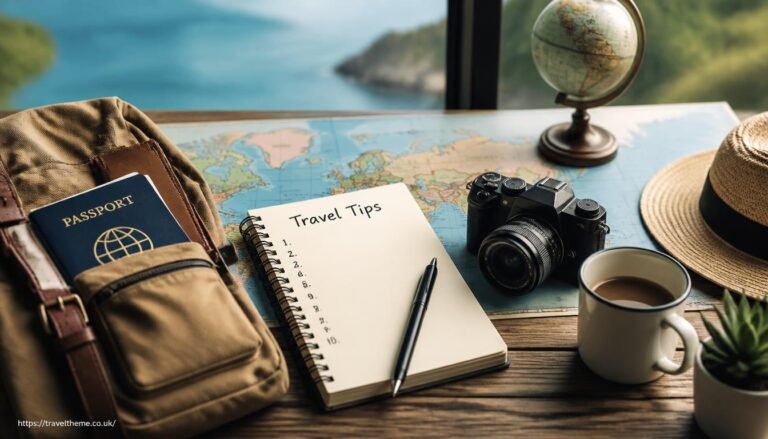
10 Travel Tips Every First-Time Traveler Should Know

0

Planning your first big trip can feel overwhelming — so many decisions, so many things that could go wrong, and no shortage of conflicting advice online. The good news is that most first-trip mistakes fall into a small, predictable set of categories: documents, money, packing, and planning too rigidly. Fix those and you’ve avoided the vast majority of things that actually derail a trip. Here are ten practical tips that make a real difference, learned the hard way so you don’t have to.

1. Book flights on a Tuesday or Wednesday

Airline prices fluctuate constantly based on demand, but midweek fares are often slightly cheaper than weekend bookings, since fewer business and leisure travellers are searching on those days. This isn’t a guaranteed discount every time, but tracking a route for a week or two before booking — rather than buying the first price you see — will usually reveal a cheaper window. Flight comparison tools that show a price calendar across a full month make this easy to spot at a glance.

2. Pack half of what you think you need

Almost every experienced traveller over-packs on their first trip. Lay out everything you plan to bring, then remove half of it. You can buy almost anything you forget — toiletries, chargers, and basic clothing are available virtually everywhere in the world, often more cheaply than at home. What’s harder to fix on the road is a suitcase that’s too heavy to carry comfortably, or luggage fees that eat into your budget because you packed for a trip that doesn’t exist.

3. Keep digital and physical copies of your documents

Scan your passport, ID, and travel insurance policy. Email them to yourself and keep an offline copy saved on your phone, in case you lose the originals or your phone loses signal. If your passport is due for renewal soon, sort it well before booking — most destinations require at least 6 months of remaining validity from your entry date, and airlines can deny boarding over this. You can check and renew a UK passport directly through gov.uk’s passport renewal service.

4. Learn a few local phrases

Even just “hello,” “thank you,” and “how much does this cost?” in the local language go a long way and often lead to friendlier interactions, better service, and occasionally better prices in markets where haggling is normal. You don’t need fluency — a handful of phrases learned from a translation app on the flight over is usually enough to shift how locals respond to you from “tourist” to “someone making an effort.”

5. Don’t over-plan every hour

Leave room in your itinerary for spontaneous discoveries. Some of the best travel memories come from unplanned detours — a street festival you stumble into, a restaurant a local recommends on the spot, a viewpoint you weren’t told about. Plan your must-see items firmly, but leave at least a third of your trip unscheduled, especially on longer trips where rigid planning tends to create stress rather than prevent it.

6. Notify your bank before you travel

A card getting blocked for “suspicious activity” in a foreign country is a common and entirely avoidable headache. A quick call or an update through your banking app before you fly usually prevents this. It’s also worth checking your card’s foreign transaction fees beforehand — some cards charge nothing for spending abroad, while others add 1-3% per purchase, which adds up quickly over a week of holiday spending.

7. Get travel insurance, and check current travel advice

Travel insurance feels like an unnecessary expense until you need it. Medical emergencies and trip cancellations abroad can be far more costly without coverage — a single hospital visit in some countries can run into tens of thousands of pounds. Before you book, it’s also worth checking the FCDO’s official travel advice for your destination, since most insurance policies become invalid if the government advises against travel to where you’re going.

8. Save offline maps before you land

Download offline maps for your destination before you land, in case you don’t have signal right away or your data roaming takes a while to kick in. Most map apps let you download a region in advance for free, and it removes one of the most common sources of first-day stress — trying to navigate an unfamiliar city with no working internet.

9. Budget for the “hidden” costs

Tips, local transport, entrance fees, and SIM cards add up quickly and rarely make it into the headline “cost of the trip” figure people quote. Add roughly 15-20% on top of your estimated trip budget to cover these, so an unexpected museum entry fee or a taxi from the airport doesn’t throw off your entire spending plan for the week.

10. Talk to locals, not just other tourists

Some of the best recommendations for food and hidden spots come from a genuine conversation with someone who actually lives there — a shopkeeper, a taxi driver, a server at a quiet café. Tourist-facing staff at big attractions are often too busy to chat, but a five-minute conversation with a local at a smaller, less touristy spot frequently turns up better recommendations than any guidebook.

Putting it together for your first trip

None of these tips require expert-level travel experience — they’re small habits that compound into a noticeably smoother trip. If you’re still deciding where to go, a shorter-haul destination with a straightforward entry process (the Canary Islands, Portugal, or a European city break) is usually the easiest starting point for a first trip, before working up to longer or more complex itineraries.

Your first trip won’t be perfect, and that’s fine — every trip after gets easier. Safe travels!

Frequently Asked Questions

What’s the biggest mistake first-time travellers make?

Over-packing and over-planning are the two most common mistakes. Both come from trying to eliminate uncertainty, but a lighter bag and a looser schedule almost always make for a more enjoyable trip than trying to control every detail in advance.

How much should I budget beyond flights and hotels?

Add roughly 15-20% on top of your accommodation and flight costs to cover food, local transport, entrance fees, tips, and incidental purchases — these “hidden” costs are easy to underestimate when budgeting for a first trip.

Do I really need travel insurance for a short trip?

Yes — trip length doesn’t reduce the risk of a medical emergency or cancellation. A short trip with no insurance still carries the same exposure to a costly hospital visit or a last-minute cancellation as a longer one.

Related Guides